Acupuncture in a Multidisciplinary Practice
Sep 20, 2025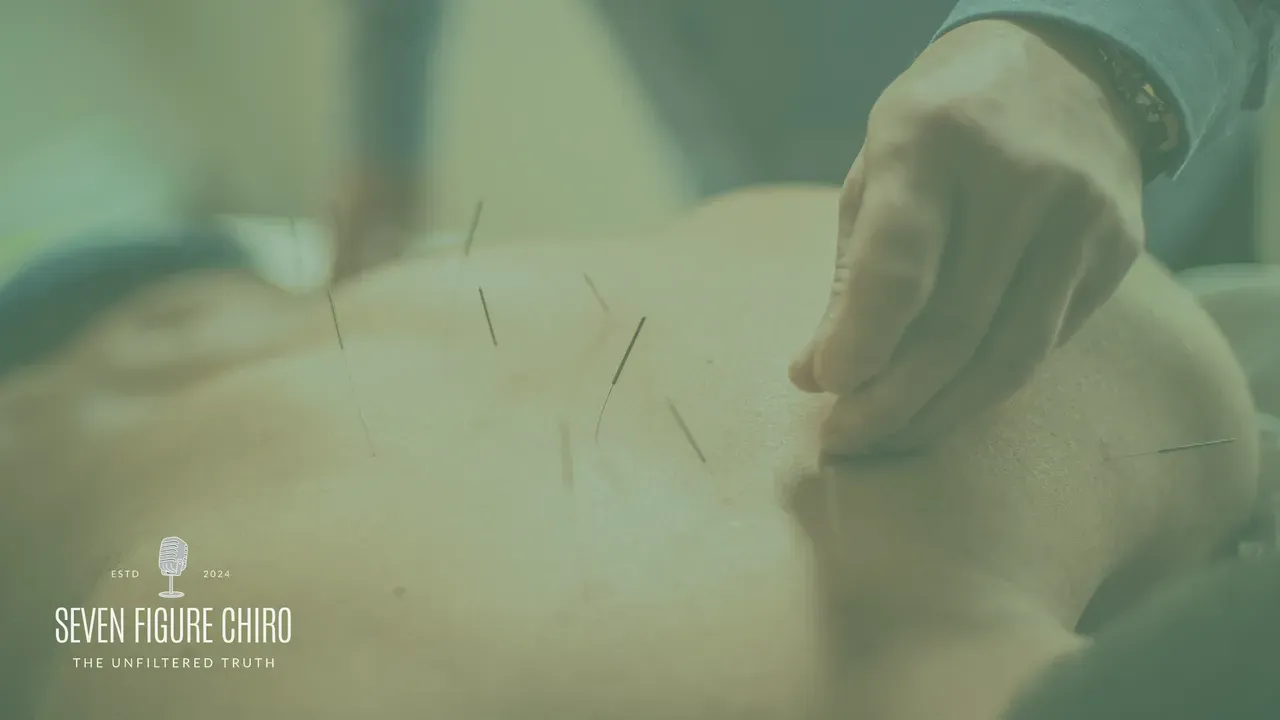
Episode 21 | Featuring Courtney Wilson, L.Ac.
Seven Figure Chiro Podcast
In this episode of the Seven Figure Chiro Podcast, Dr. Jeff Berard and Kristin Berard sit down with licensed acupuncturist Courtney Wilson to discuss the value of integrating acupuncture into a multidisciplinary clinic. From misconceptions and patient success stories to the differences between acupuncture and dry needling, this conversation highlights how collaboration, trust, and patient experience drive long-term success for both providers and their practices.
Acupuncture Found Me: Courtney’s Origin Story
Courtney didn’t set out to be an acupuncturist, it found her. At 18, fresh out of high school, she took a co-op job at an acupuncture office without even knowing what acupuncture was. Three years later, after witnessing patient outcomes and receiving treatments herself, she knew: this was her calling.
Unlike most of her classmates, many of whom were pursuing acupuncture as a second or third career, Courtney dove in early and hasn't looked back.
“Does It Hurt?” Clearing Up the Misconceptions
Courtney shares that the #1 question she gets from new patients is: “Does it hurt?”
The short answer: No.
Acupuncture needles are as thin as a human hair. You can fit 20–40 acupuncture needles inside a single hypodermic needle. It's not painful, it's relaxing.
Another big myth? That acupuncture is a “quick certification.” In reality, it’s a 4-year Master’s program with thousands of hours of clinical and classroom training.
Acupuncture vs. Dry Needling: What's the Difference?
There’s a lot of confusion, especially in chiropractic and PT circles, about the difference between acupuncture and dry needling. Courtney breaks it down clearly:
Acupuncture:
- A standalone treatment rooted in Traditional Chinese Medicine
- Targets meridians, qi (energy), and whole-body systems
- Sessions last up to an hour and promote relaxation, healing, and balance
- Treats musculoskeletal pain and internal conditions (infertility, anxiety, insomnia, etc.)
- Requires thousands of training hours and board certification
Dry Needling:
- A technique used as an adjunct to chiropractic or physical therapy
- Focuses on muscle spasms and trigger points
- Typically more aggressive and localized
- Often involves “pistoning” the needle to release tension
- Can be learned in a weekend certification course
While both use needles, the approach, philosophy, and application are entirely different.
Success Stories That Speak for Themselves
Courtney shares incredible results she’s witnessed over the years:
- A woman with seven miscarriages who conceived and carried to term after starting acupuncture.
- A chronic migraine sufferer who hadn’t had a single headache in months after consistent treatments.
- Dozens of patients who come for musculoskeletal pain but keep coming back for stress relief and wellness.
The Real Value: Stress Relief and Whole-Body Wellness
One of the most underappreciated benefits of acupuncture? Stress reduction.
As Dr. Jeff points out, stress leads to inflammation, hormone imbalances, and a cascade of physical problems. Acupuncture helps break that cycle—often better than any supplement or prescription.
“Even if patients don’t come in for a specific ailment, they keep coming back because acupuncture makes them feel better.”
Why We Integrated Acupuncture Into Our Clinic
From a business standpoint, offering acupuncture:
- Builds trust and loyalty among patients
- Increases revenue opportunities across services
- Creates an entry point for new patients unfamiliar with chiropractic care
- Supports whole-body healing, improving outcomes for everyone involved
And it’s not just about profit. As Jeff explains, Courtney operates under a production-based pay model, meaning her service is self-sustaining for the clinic.
“If you think you can't afford to add an acupuncturist, think again. The right structure makes it a win-win.”
Multidisciplinary Collaboration at Its Best
Courtney didn’t want to be a solo practitioner. She wanted teamwork, instant access to other providers, and collaboration that directly benefits patients.
Whether it’s chiropractic, PT, massage, or acupuncture, the magic happens when providers communicate, collaborate, and share information. And patients notice. They feel safer, heard, and more confident in their care.
“Our patients say it all the time: ‘Why would I go anywhere else when everything I need is under one roof?’”
Advice for Clinic Owners and Acupuncturists
Whether you’re a clinic owner looking to scale or an acupuncturist tired of working solo, Courtney offers this advice:
- Keep an open mind: healing is rarely achieved by one discipline alone.
- Value collaboration: being part of a team creates better outcomes.
- Structure matters: use creative compensation models to reduce financial risk.
- Prioritize the patient experience: a welcoming environment builds loyalty.
The Bottom Line
Adding acupuncture to a chiropractic clinic isn’t just smart, it’s transformational. It creates:
- Better outcomes
- Stronger patient retention
- Expanded service offerings
- A more resilient, reputation-rich brand
As this episode proves, when you integrate services with intention, everyone wins, the provider, the practice, and most importantly, the patient.
Want Help Adding Acupuncture to Your Practice?
At Seven Figure Chiro, we’ve built multidisciplinary models that thrive. Reach out to learn how to integrate acupuncture (or any service) into your business without the guesswork.
Listen to Episode 21 of the Seven Figure Chiro Podcast wherever you get your podcasts.
#ChiropracticBlog #AcupunctureBenefits #IntegrativeHealth #MultidisciplinaryClinic #ChiropracticCare #AcupunctureInChiropractic #PatientCenteredCare #HolisticHealing #StretchCenter #WellnessIntegration